

The death toll from a devastating flash flood in Central Texas rose above 100 as of Monday evening, with officials reporting at least 104 confirmed fatalities and several dozen individuals still unaccounted for, including some 11 people from a single summer camp where 27 campers and staff are known to have died. Among the missing are children from Camp Mystic in Kerr County, where heavy rain and flash flooding washed away cabins and swept young lives into a ravaging river that surged 26 feet in just 45 minutes.
As grief-stricken communities search for answers and survivors, scientists at Penn State University are warning that without faster, more accurate flood forecasting systems, tragedies like these may repeat. In a breakthrough announced just days ago, a team led by Penn State civil and environmental engineers unveiled an AI-powered supercomputer model that significantly improves predictions of flood severity, location, and timing across the continental United States system referred to by its creators as a high‑resolution differentiable hydrologic and routing model combines decades of river‑gauge data, basin parameters, and weather observations with neural networks guided by physical hydrology. Traditional models, such as NOAA's National Water Model (NWM), require tedious calibration at each site, a process that can be highly inefficient and slow, particularly across thousands of river basins.
In contrast, the Penn State team's approach trains once on 15 years of streamflow data from 2,800 USGS stations, then deploys its learned network broadly, yielding 30 percent greater accuracy in streamflow forecasts across approximately 4,000 gauge stations, including those outside the training set. The model is exceptionally skilled at handling extreme rainfall events, avoiding the underestimation that pure machine learning models risk when encountering rare outliers.
The payoff is dramatic: tasks that once required weeks and multiple supercomputers can now be completed in hours on a single system. Simulating 40 years of high‑resolution flow data now takes mere hours—not weeks—potentially providing emergency managers crucial lead time before a flash flood strikes.
Pushback remains: integrating neural networks into operational systems, such as NOAA's NWM, demands independent validation and confidence in AI decision logic. Yet researchers emphasize that their "physics‑informed" hybrid design offers both superior speed and interpretability—a rare combination in flood forecasting technology.
A Nation Stunned by Swift Destruction
On the morning of July 4, Central Texas was struck by one of the deadliest floods in the state's history. Torrential storms deposited more than a foot of rain in fewer than 12 hours, saturating the western Guadalupe River basin. Overnight, the river rose at an alarming speed, sweeping away homes, cabins, vehicles, and lives in its path—particularly at Camp Mystic near Hunt, Texas.
Search and rescue teams deployed helicopters, boats, and drones in a desperate effort to find survivors, but time passed painfully as the death toll climbed past 100. Officials warned that the chance of finding more survivors was quickly fading. Grief and anger spread among families demanding better early warning systems—systems that might have prevented people from being in harm's way altogether.
Meeting the Moment with Supercomputing Power
The Penn State modeling initiative, supported by its Institute for Computational and Data Sciences (ICDS) and backed by leading universities and agencies (including NOAA and the Department of Energy), showcases how cutting‑edge supercomputing can accelerate flood risk understanding and preparedness across broad regions.
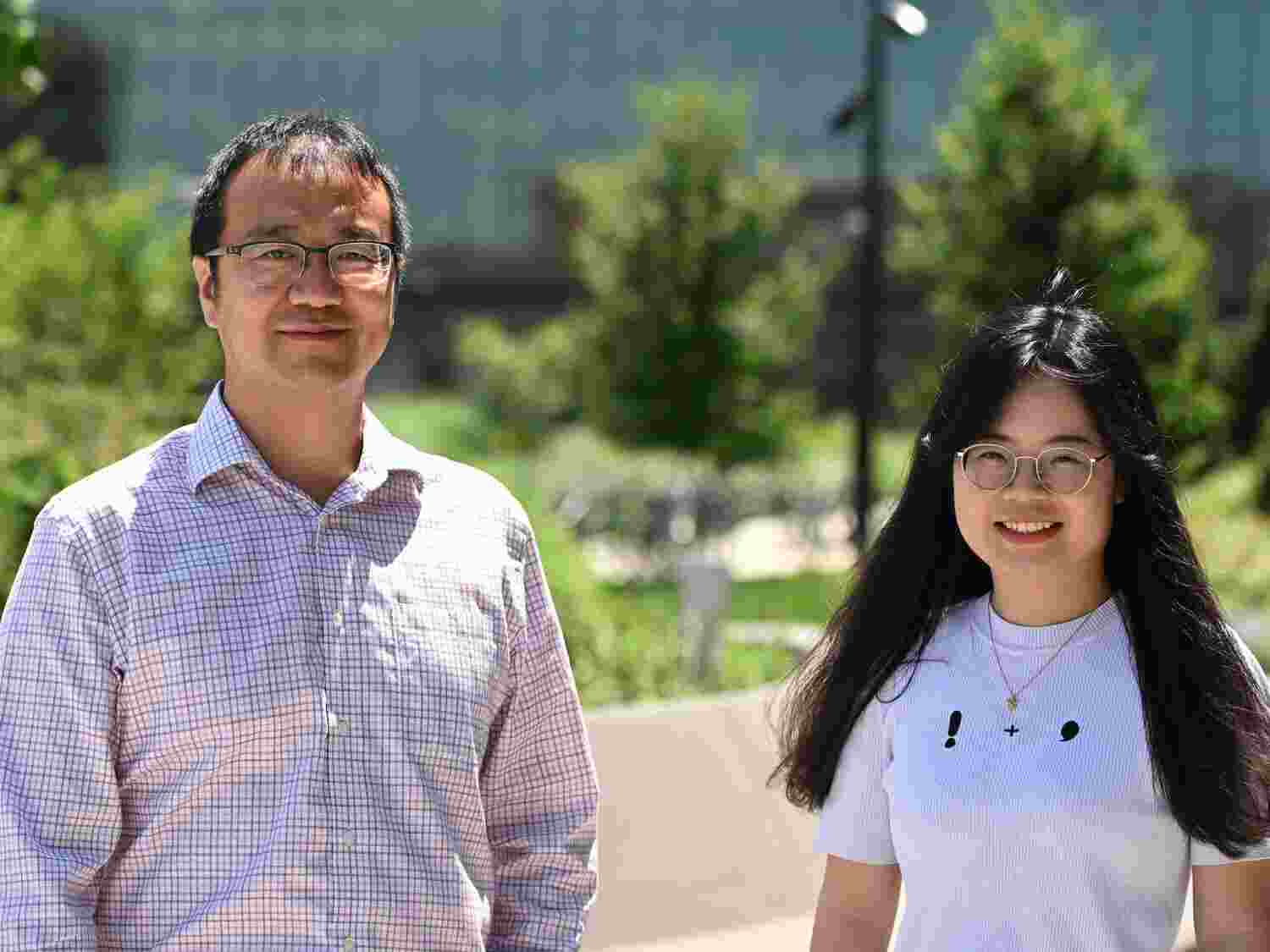
Chaopeng Shen and Yalan Song, the Penn State researchers co‑leading the effort, emphasize that beyond flood forecasting, their tool can help predict drought, soil moisture, groundwater recharge, and other hydrologic metrics vital for water resource management and agricultural resilience. Their model's ability to generalize across geographic regions makes it a promising candidate for integration into next-generation iterations of the National Water Model, potentially enhancing lead time and clarity in emergency alerts.
From Tragedy to Transformation
Central Texas mourns deeply as communities grapple with colossal loss—Camp Mystic staff and campers alone accounted for 27 deaths, with 11 individuals still missing, as of late Monday. Local families, responders, and officials have collapsed under the emotional and operational strain of a disaster that progressed too fast for conventional warning systems.
The Penn State model offers a glimmer of hope: a future where supercomputers and AI combine to give people time to evacuate or prepare—not just minutes, but possibly hours or days of advanced warning before floodwaters rise.
As disaster response continues in Texas, this dual narrative—of human tragedy and scientific promise—should prompt policymakers, funders, and technologists to ask: How can we accelerate the deployment of tools that could help prevent another flood from unfolding at such devastating speed?
The Road Ahead
The Penn State team is already in conversation with NOAA and other stakeholders to explore pilot deployments. However, widespread adoption will depend on validating performance in diverse geographies and demonstrating reliability under stress. The urgency to act has never been more apparent. As flood fatalities climb and the nation watches, harnessing the power of AI and supercomputing to predict and mitigate disaster is no longer hypothetical; it is imperative.