

In a compelling example of artificial intelligence (AI) and high-performance computing (HPC) revolutionizing medical research, scientists at the University of California, San Francisco (UCSF) have created advanced AI tools capable of precisely analyzing vast healthcare datasets to predict preterm birth, a major contributor to infant mortality and long-term health issues globally. Their findings, recently published in Cell Reports Medicine, offer fresh optimism for early intervention and underscore the transformative potential of supercomputing-powered data science in addressing complex biological challenges.
Preterm birth, defined as delivery before 37 weeks of gestation, impacts about one in ten pregnancies worldwide and carries a heightened risk of complications, including respiratory distress, neurodevelopmental disorders, and chronic long-term illnesses. Despite years of research, accurately pinpointing which pregnancies are most at risk has proven difficult, primarily because of the complex mix of genetic, environmental, clinical, and lifestyle factors influencing gestational outcomes.
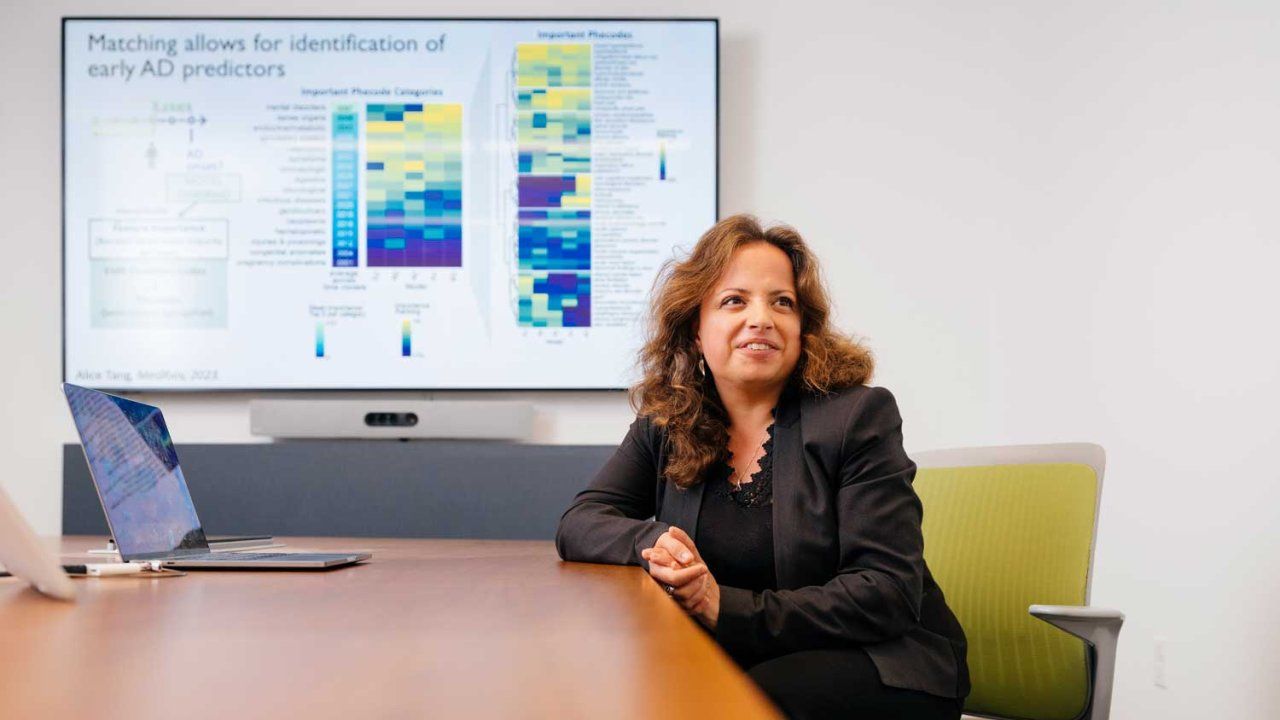
The UCSF team, led by Marina Sirota, PhD, professor of Pediatrics and interim director of the Bakar Computational Health Sciences Institute, approached the problem not by narrowing the dataset, but by embracing its scale.
The UCSF team addressed this complexity by harnessing machine learning algorithms trained on a vast multi-institutional dataset encompassing millions of electronic health records (EHRs), biomarker measurements, and demographic information. To manage and extract meaningful patterns from such a voluminous and heterogeneous dataset, the researchers relied on a supercomputing infrastructure that could efficiently process and analyze large-scale data in parallel, an essential capability when training and validating predictive AI models.
Their model integrates clinical features such as maternal age, blood test results, previous obstetric outcomes, and lifestyle information. Through iterative learning and exposure to diverse cases, AI developed the ability to distinguish subtle signals predictive of preterm birth, achieving significantly higher accuracy than traditional risk scoring systems. The findings reported in Cell Reports Medicine affirm that AI models trained on robust, high-dimensional data can discern patterns that may elude even experienced clinicians.
Crucially, the supercomputing element of this research was not merely about speed, but scale and integration. Handling millions of records, each with potentially hundreds of variables, demands computational resources capable of orchestrating complex matrix operations, optimization routines, and cross-validation loops that ensure model generalizability. Standard computing environments struggle with datasets of this magnitude, but HPC systems equipped with parallel processing and optimized data pipelines enabled researchers to train, test, and refine models within feasible time frames.
According to the study, this approach represents a paradigm shift in obstetric research. By applying AI to large-scale datasets, we can identify risk profiles long before symptoms manifest. This opens the door to earlier, more personalized interventions that could improve outcomes for mothers and infants alike.
The implications are profound. Early prediction of preterm birth could allow clinicians to tailor monitoring schedules, recommend targeted therapies, and provide proactive support to high-risk patients, ultimately reducing the incidence of complications and associated healthcare costs. In regions with limited access to specialized care, AI-driven models could empower frontline providers with actionable insights based on data patterns derived from large cohorts.
For the supercomputing community, the model illustrates the expanding role of HPC beyond traditional domains like physics, climate modeling, and astrophysics. In the era of digital medicine, vast datasets generated by electronic health records, genomic sequencing, and wearable sensors present both a challenge and an opportunity: how to turn data into life-saving knowledge. Supercomputers, with their ability to orchestrate trillions of calculations across distributed architectures, are becoming essential partners in this transformation.
Moreover, the success of the AI underscores the importance of ethical, transparent, and clinically grounded AI development. The UCSF researchers emphasize that predictive models must be rigorously validated across diverse populations to ensure fairness and avoid perpetuating healthcare disparities. Supercomputing resources make such comprehensive validation feasible, enabling researchers to test model performance across subgroups defined by race, socioeconomic status, and geographic region.
As AI continues to mature alongside advances in supercomputing, the pace of medical discovery is poised to accelerate. From predicting preterm birth to personalized cancer therapies and beyond, computational models trained on big data are charting new frontiers in health science, turning complexity into clarity and raw data into actionable insight.
As Sirota and her colleagues demonstrate, when scientific AI meets scalable computing, the result is more than faster analysis. It is the possibility of foresight, the ability to identify risk before crisis emerges.
In maternal health, that foresight could mean healthier pregnancies, stronger newborns, and lives changed by the power of computation.