Miami selects Woolpert as the GIS services provider for Miami-Dade County's Next Generation 911 Routing System, enhancing emergency response

Miami-Dade County has selected Woolpert as the GIS services provider for the Next Generation 911 (NG911) emergency management routing system. This partnership aims to improve response times for dispatchers and first responders, enhancing public safety in the region.

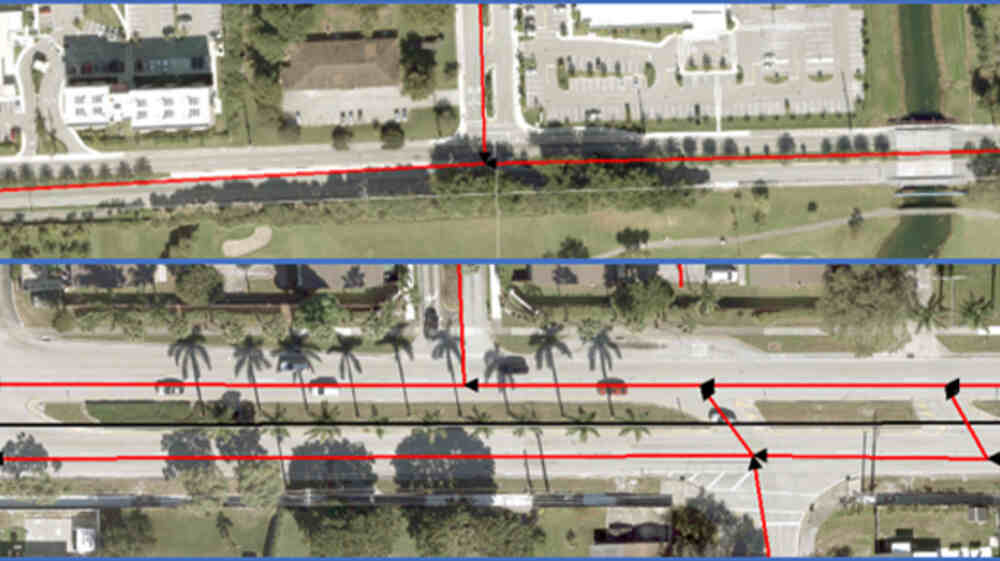
Woolpert will be responsible for identifying, collecting, and digitizing critical information necessary for the NG911 system's functionality. This includes addressing gaps in existing, newly constructed, and planned locations, as well as unique sites that require specialized routing.

The project manager, Yaneev Golombek, emphasized the importance of Woolpert's hybrid approach, which combines in-office processing and fieldwork to ensure the accuracy and reliability of data used by emergency management services.

Furthermore, Woolpert will provide training to facilitate the inputting of future data into the system, ensuring that new roads and addresses are readily available for emergency vehicle routing as soon as they are open for traffic or occupied.

The partnership between Miami-Dade County and Woolpert signifies a new era in public safety, ensuring that accurate and reliable information will be readily available for swift emergency responses.

Deep learning model sparks optimism for the assessment of embryo development

Researchers at the University of Plymouth in England have developed a new deep-learning model that can identify the occurrence and timing of key functional developmental events during embryonic development from video footage. The study, published in the Journal of Experimental Biology, has highlighted the significant potential of the model, known as Dev-ResNet, in transforming the field of embryo research and enabling accurate and reliable measurement of its development.

Revolutionizing Embryo Research

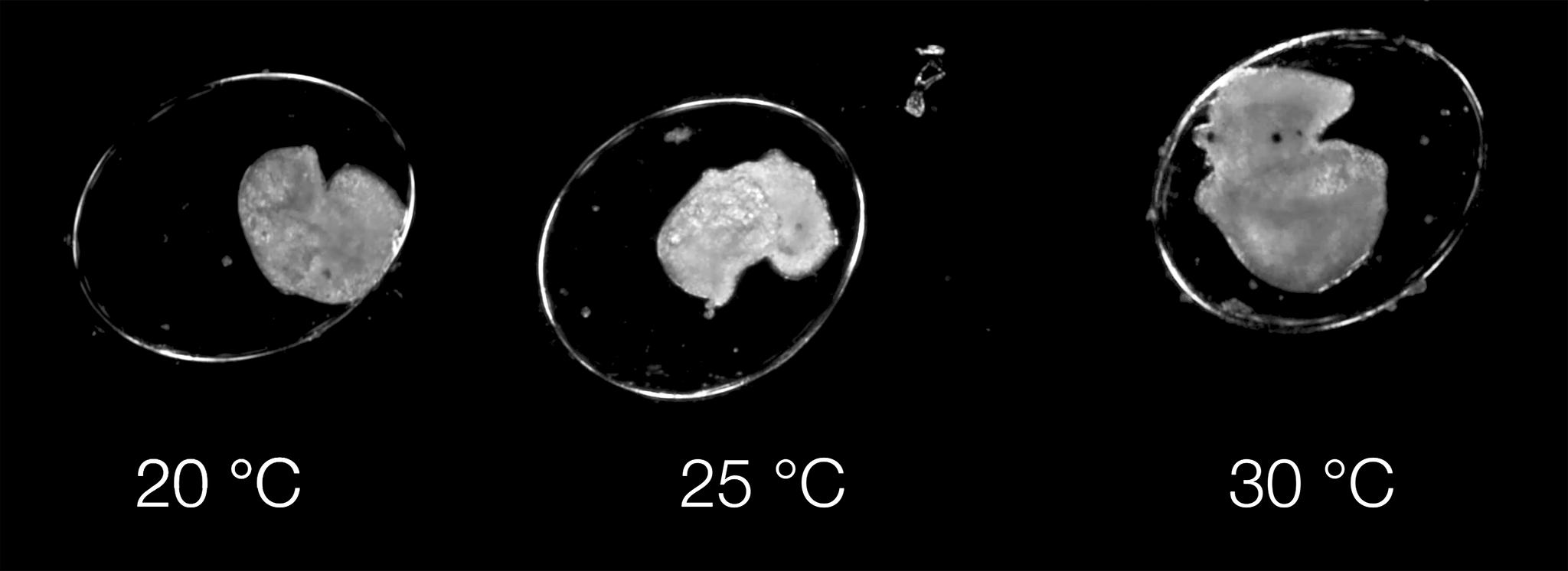
The Dev-ResNet model represents a significant breakthrough in the field of embryo research, an area scientists have struggled with for centuries due to the challenges of delineating developmental events. This new AI model, designed, trained, and tested by Ziad Ibbini, a PhD candidate at the University of Plymouth, can detect developmental events, such as heart function, crawling, hatching, and even death, in pond snails accurately.

A crucial feature of this study is the use of a 3D model that enables the AI model to learn from changes between video frames, rather than the traditional still images, making it highly efficient and reliable. In pond snail embryos, Dev-ResNet has even revealed the sensitivities of different features to a temperature that was never known previously.

Expanding the Applicability of Dev-ResNet

Although used during this study for pond snail embryos, the researchers have confirmed that Dev-ResNet has vast applicability across all species. Moreover, they have provided extensive documentation and scripts necessary for applying Dev-ResNet in various biological systems, opening up new possibilities for research in the field.

This AI-powered deep learning model could eventually lead to a deeper understanding of how climate change and other external factors affect animals and humans during their early development stages, enabling us to protect them better. The Dev-ResNet model represents a game-changer in the field, equipping the scientific community with the necessary tools to better understand species' development.

An Exciting Milestone in Research

This research represents a significant milestone in advancing our understanding of organismal development and is a testament to the expertise and passion of the University of Plymouth's research team, including combining Ecophysiology and Development research groups with software development expertise. The model's development has been made possible by using deep learning techniques, which hold immense potential for furthering the study of animal development.

With Dev-ResNet, the possibilities are endless, offering hope for developing more effective treatments and preventive measures for a range of illnesses. Despite the need for the right kind of training data to train the deep learning model, this research marks an enormous leap forward in advancing how we perceive and study organismal development.

The new AI-powered Dev-ResNet model has brought hope of bringing researchers closer to the dream of accurately and reliably measuring developmental events. It represents a transformative breakthrough that has captured the imagination and excitement of the scientific community.

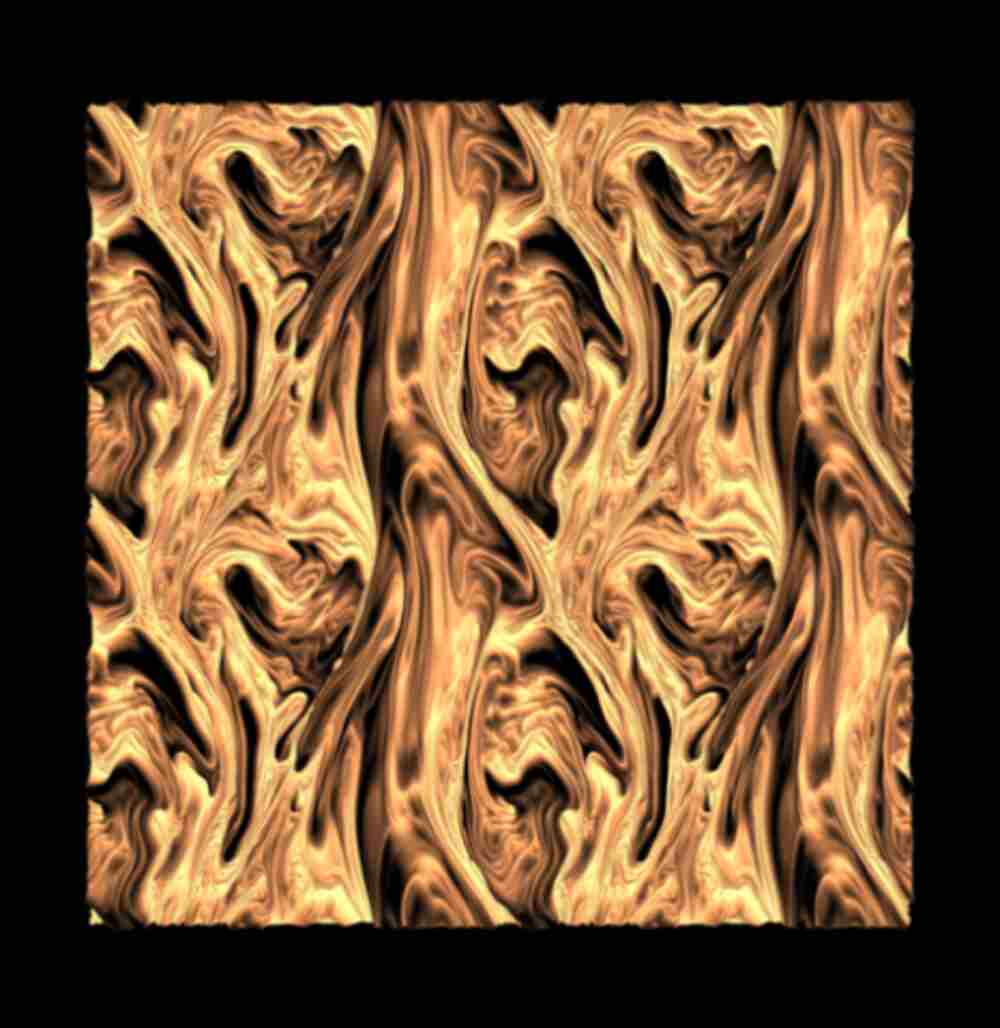
A polymer in elastic turbulent flow acts like a micro spring, getting stretched by the fluid motion before giving back energy to the fluid when contracting. Credit: Prof. Marco E. Rosti/OIST

Unraveling the mysteries of elastic turbulence: Supercomputers drive the path to discovery

In the pursuit of understanding the fascinating characteristics of elastic turbulence, researchers have explored the intricate nature of non-Newtonian fluids. Enabled by the formidable computational prowess of advanced supercomputers, scientists are unraveling a new dimension of fluid dynamics, shedding light on the bewildering behavior of biological liquids.

At the forefront of this groundbreaking research, a collaborative effort involving scientists from the Okinawa Institute of Science and Technology Graduate University (OIST) in Japan, the Tata Institute of Fundamental Research (TIFR) in India, and NORDITA in Sweden has surfaced. Their exploration has yielded an astonishing revelation: elastic turbulence, a phenomenon exclusive to non-Newtonian fluids, may possess more similarities to classical Newtonian turbulence than previously envisaged.

Non-Newtonian fluids, characterized by their non-linear relationship between stress and strain, defy conventional behaviors exhibited by classical fluids. Formidable advancements in research have propelled our understanding of the intricate nature of biological solutions, revealing the enigmatic realm of elastic turbulence - the chaotic motion created by the introduction of polymers in small concentrations to watery liquids.

Driven by the imperative to facilitate microfluidics, a critical domain for blending small volumes of polymeric solutions, researchers have encountered the staggering complexities of elastic turbulence. However, the astonishing discoveries transcending the conventional wisdom on this enigmatic phenomenon have arisen from the formidable computational capabilities of advanced supercomputers.

"Running these complex simulations requires the power of advanced supercomputers," affirms Prof. Marco Edoardo Rosti, head of the Complex Fluids and Flows Unit at OIST. The extensive computational demands necessitated by these simulations are significant, entailing runtimes of up to four months and yielding prodigious volumes of data. Such computational rigor has paved the way for a transformative revelation - the insight that the velocity field in elastic turbulence exhibits intermittent behavior.

This seminal finding elucidates a paradigm shift in our comprehension of low-velocity turbulence in elastic fluids. Driven by the formidable computational capabilities harnessed by supercomputers, researchers unveiled the unanticipated intermittent nature of the velocity field in elastic turbulence. This unexpected discovery demonstrates the profound impact of leveraging computational power to unravel hidden complexities in fluid dynamics, redefining our understanding of turbulence occurring at low flow speeds.

The implications of this breakthrough extend beyond mere scientific revelation; they lay the groundwork for the development of a comprehensive mathematical theory delineating elastic turbulence. Such a perfected theory not only holds the potential to offer predictive insights into fluid dynamics but also offers opportunities for the strategic design of devices to manipulate the mixing of liquids, with significant implications for working with biological solutions.

In essence, as we venture further into the enigmatic realm of elastic turbulence, powered by the computational capabilities of supercomputers, we pave the way for a transformative understanding of fluid dynamics. The relentless pursuit of knowledge, facilitated by the symbiotic interaction between human cognition and computational innovation, propels us towards unprecedented insights that promise to reshape our scientific inquiry and technological applications.

The cutting-edge achievements of this collaborative research endeavor epitomize the remarkable synergy between academic rigor and computational prowess, redefining the boundaries of our scientific understanding and propelling us toward an era of unprecedented discovery.