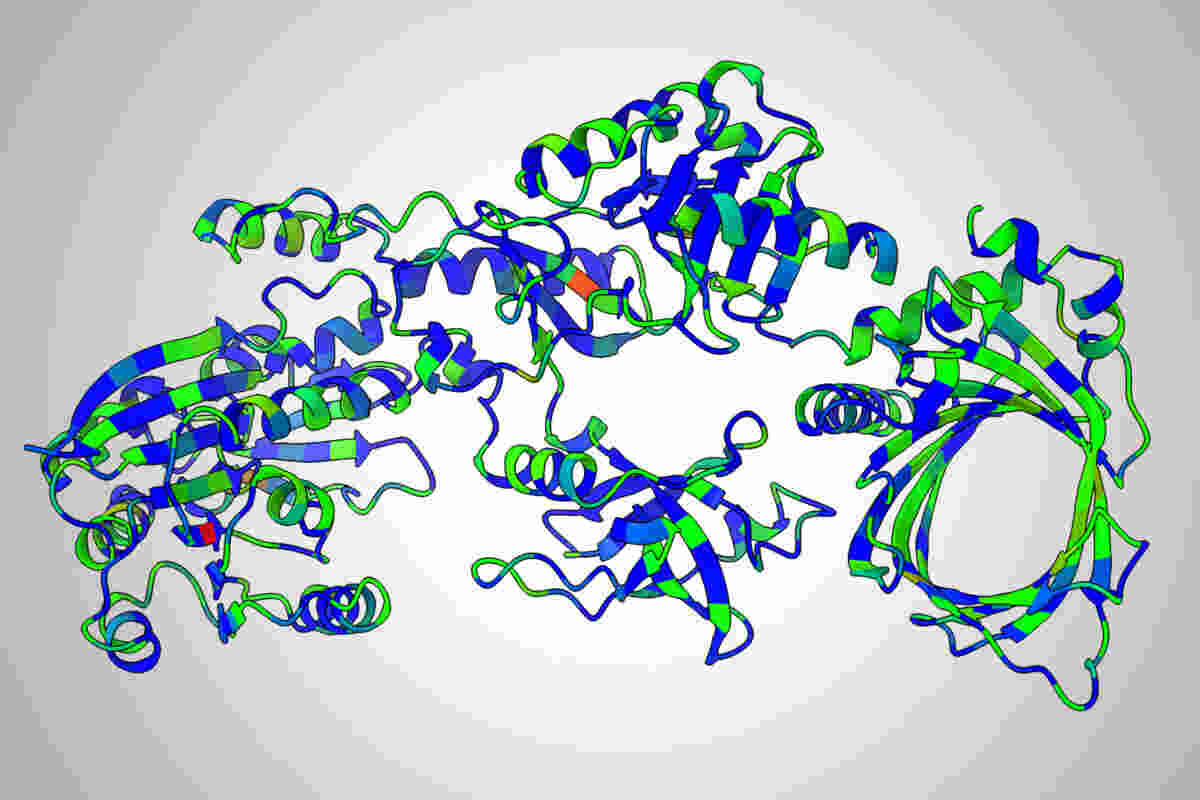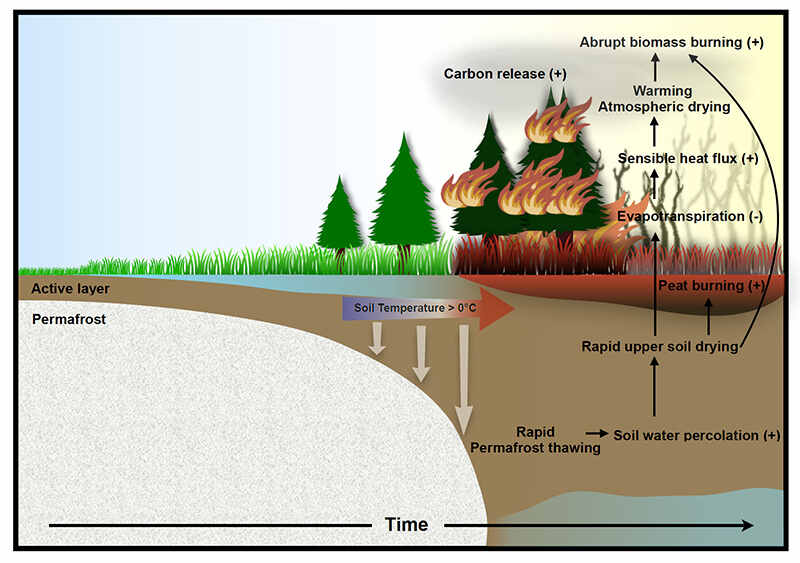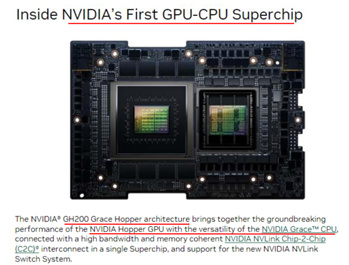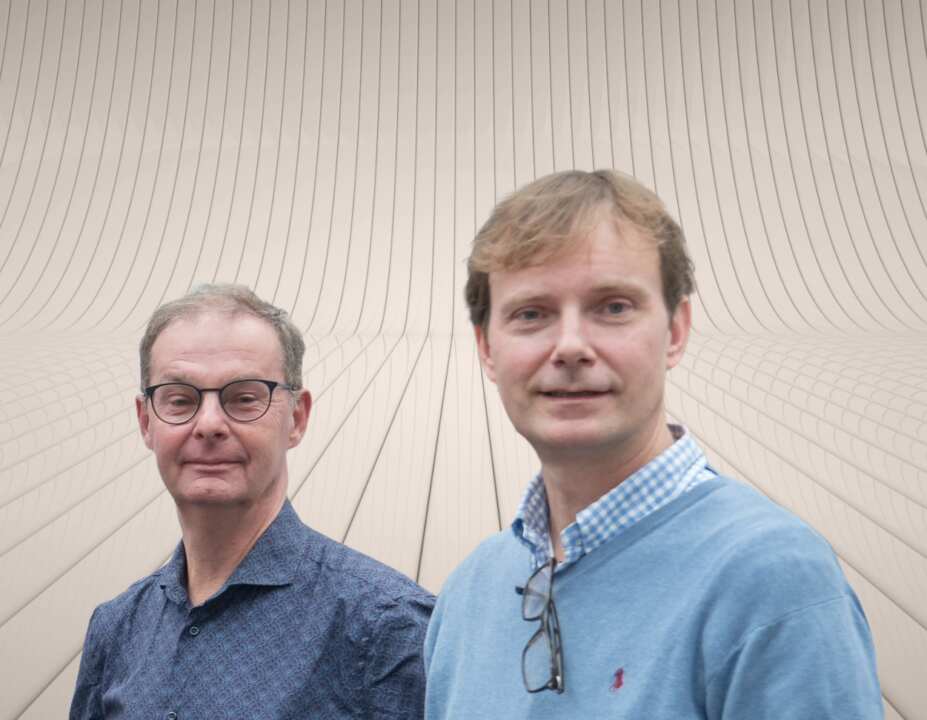
Kobe University's HIRATA Naoyuki was the first to observe that the location of an asteroid impact on Jupiter's moon Ganymede is almost precisely on the meridian farthest away from Jupiter. This suggests that Ganymede may have experienced a reorientation of its rotational axis. As a result, Hirata was able to calculate the type of impact that could have led to this reorientation. This information is courtesy of HIRATA Naoyuki (CC BY).

A colossal asteroid impact altered the orbit of the largest moon in the solar system

A recent study from Kobe University in Japan has provided new insights into the impact event that changed the axis of Jupiter's largest moon, Ganymede. Conducted by researcher Naoyuki Hirata, the study demonstrates the significant effect of a massive asteroid collision on Ganymede. The research relied on advanced supercomputer simulations, emphasizing their importance in planetary studies.

Around 4 billion years ago, a huge asteroid, estimated to be 20 times larger than the one that caused the extinction of the dinosaurs on Earth, collided with Ganymede. This collision caused a major shift in the moon's rotational axis. Through advanced supercomputer simulations, Hirata calculated the type of impact that could have resulted in this celestial phenomenon, marking a significant discovery in planetary science.

The study suggests that the impact was likely caused by an asteroid approximately 300 kilometers in diameter, creating a temporary crater spanning between 1,400 and 1,600 kilometers. These findings, based on comprehensive simulations, offer valuable insights into the effects of large cosmic collisions on planetary bodies, highlighting the crucial role of supercomputer technology in unlocking celestial mysteries.

Hirata, known for simulating impact events on moons and asteroids, aims to further explore the origin and evolution of Ganymede. He emphasizes the need for additional research to understand the long-lasting effects of the asteroid collision on the moon's internal evolution, particularly its subsurface oceans' thermal and structural effects.

This research has implications beyond academia, as it could significantly impact future space exploration endeavors. The forthcoming JUpiter ICy moons Explorer (JUICE) mission by the European Space Agency, scheduled to orbit Ganymede in 2034, is expected to use the data obtained to confirm the findings of Hirata's study. The mission aims to shed light on the structural and thermal evolution of Ganymede, potentially addressing important questions posed by the Kobe University researcher.

Hirata's groundbreaking research was made possible with support from the Japan Society for the Promotion of Science and the Hyogo Science and Technology Association, showcasing collaborative efforts driving planetary science forward.

This study showcases the crucial role of advanced supercomputer simulations in understanding celestial events and shaping our knowledge of planetary evolution.

Propelling the future of communications: Silicon chip innovation accelerates progress towards 6G networks

A significant stride in the realm of communication technology has been marked by the pioneering efforts of a team of scientists who have harnessed the potential of 6G communications through the development of a cutting-edge polarisation multiplexer. Unveiling the transformative power of terahertz communications, this breakthrough not only promises data transmission rates far beyond current systems but also lays the foundation for ultra-fast wireless communication and data transfer.

As the demand for higher bandwidth and enhanced data capacity surges, the emergence of terahertz frequencies as the next frontier in wireless technology heralds a new era of possibilities. One of the central challenges in this domain has been the efficient management and utilization of the available spectrum, a challenge that has been tackled head-on by the team's innovative approach.

Led by the esteemed Professor Withawat Withayachumnankul from the University of Adelaide's School of Electrical and Mechanical Engineering, the team has successfully developed the first ultra-wideband integrated terahertz polarisation (de)multiplexer. This groundbreaking device, implemented on a substrateless silicon base, has been rigorously tested in the sub-terahertz J-band (220-330 GHz), showcasing its potential for revolutionizing 6G communications and beyond.

Professor Withayachumnankul elucidates the significance of the team's innovation, highlighting how the proposed polarisation multiplexer facilitates the simultaneous transmission of multiple data streams over the same frequency band, effectively doubling the data capacity. This unparalleled relative bandwidth, a record-setting feat in integrated multiplexers, underscores the transformative potential of this advancement in reshaping the landscape of communications technology.

Moreover, the team's device not only enhances communication efficiency by reducing data loss but also enables cost-effective large-scale production through standard fabrication processes. This technological leap not only bolsters the efficiency of terahertz communication systems but also paves the way for more robust and reliable high-speed wireless networks, positioning it as a pivotal enabler for realizing the full potential of terahertz communications.

Dr. Gao affirms the critical role of the polarisation multiplexer in accelerating progress towards high-speed wireless networks, emphasizing how this innovation can drive advancements in diverse fields such as high-definition video streaming, augmented reality, and next-generation mobile networks like 6G. The implications of this advancement extend far beyond mere communication, offering a glimpse into a future where seamless connectivity and rapid data transfer are the norm across various industries and applications.

The team's significant contributions have not only advanced the practicality of photonics-enabled terahertz technologies but also catalyzed a surge of interest and research activity in the field. Looking ahead, the team envisions significant progress in high-speed communications over the next three to five years, paving the way for commercial prototypes and early-stage products.

Professor Withayachumnankul's foresight reflects a vision of widespread adoption and integration of terahertz technologies within the decade, a transformational shift that is poised to revolutionize telecommunications, imaging, radar, the Internet of things, and beyond. The seamless integration of the latest polarisation multiplexer with the team's earlier beamforming devices on the same platform sets the stage for achieving advanced communication functions that herald a new era of connectivity and technological advancement.

In a landscape where innovation is the cornerstone of progress, the team's breakthrough underscores the immense potential of collaboration, research, and technological ingenuity in propelling the future of communications. With a commitment to excellence and a vision for transformative change, the strides made in terahertz communication technology serve as a testament to human endeavor in unraveling the mysteries of the digital age.

Unveiling the potential of machine learning in earthquake forecasting

In an era marked by the continual pursuit of scientific advancement, researchers at the University of Alaska Fairbanks have unveiled a groundbreaking method that holds the promise of providing months' worth of warning before major earthquakes strike. This innovative approach spearheaded by research assistant professor Társilo Girona of the UAF Geophysical Institute, showcases the transformative power of machine learning in the realm of earthquake prediction.

Girona, a distinguished geophysicist and data scientist delves into the precursory activity of volcanic eruptions and earthquakes. The core of their detection method lies within a sophisticated application of machine learning, a cutting-edge statistical technique that has the potential to identify critical precursors to large-magnitude earthquakes by analyzing datasets derived from earthquake catalogs.

Through the development of a computer algorithm adept at discerning abnormal seismic activity, Girona focused their inquiry on two seismic events of significant magnitude: the 2018 Anchorage earthquake and the 2019 Ridgecrest earthquake sequence in California. Remarkably, their findings unveiled a compelling pattern of abnormal low-magnitude regional seismicity occurring approximately three months before each major earthquake, covering substantial areas of Southcentral Alaska and Southern California.

Their study underscores that the unrest preceding major earthquakes is predominantly captured by seismic activity with a magnitude below 1.5, a pivotal insight that sheds light on a potential geologic cause for this precursory activity: an increase in pore fluid pressure within faults. This rise in pore fluid pressure, altering the mechanical properties of faults, can lead to variations in the regional stress field, which the researchers propose may control the abnormal, low-magnitude seismicity observed before major earthquakes.

Girona emphasizes the profound impact of machine learning on earthquake research, portraying it as an invaluable tool that can glean vital insights from the vast datasets generated by modern seismic networks. By leveraging advancements in machine learning and supercomputing, researchers can unearth meaningful patterns that might serve as early indicators of impending seismic events, thereby heralding a transformative role in advancing our understanding of earthquake dynamics.

While the promise of this method is undeniable, Girona highlights the need for cautious validation and testing in near-real-time scenarios to address potential challenges in earthquake forecasting. They stress the importance of training the algorithm with historical seismicity data specific to the region of interest before its deployment, as producing reliable earthquake forecasts carries ethical and practical considerations that must be navigated with utmost care.

As we stand on the brink of a new chapter in earthquake forecasting, propelled by the fusion of machine learning and seismic research, the potential for preemptive warnings of major seismic events offers hope for saving lives and mitigating economic losses. The intricate dance between technological advancements and ethical considerations underscores the complexity of this endeavor, weaving a narrative that balances the pursuit of knowledge with the imperative of safeguarding communities against the unpredictable forces of nature.

In the acuity of this scientific revelation lies a beacon of possibility, illuminating a path where the fusion of human ingenuity and technological prowess offers a glimpse into a future where the once-unfathomable realms of earthquake forecasting may yet be rendered less mysterious and more manageable.

Using simulations to speed up drug discovery: A promising approach in medical research

In a groundbreaking leap forward, researchers at the University of Cincinnati College of Medicine and Cincinnati Children's Hospital have revealed a revolutionary method to speed up the pace and success of drug discovery. Their study promises to transform the landscape of pharmaceutical research, potentially reducing the drug discovery timeline from years to months.

The approach involves a fusion of data analysis and molecular simulations, offering renewed hope for finding effective therapies at an unprecedented speed. Using a database from the Library of Integrated Network-based Cellular Signatures (LINCS) to screen thousands of small molecules with potential therapeutic effects simultaneously, researchers have harnessed the power of targeted docking simulations to model the interaction between these molecules and their protein targets. This innovative technique has not only expedited the screening process from months to mere minutes but has also significantly increased the efficiency and accuracy of identifying potentially effective compounds.

Dr. Alex Thorman, co-first author of the study, expressed unwavering optimism about the transformative impact of this new method. "The hope is we can speed up the timeline of drug discovery from years to months," he said, emphasizing the potential of this approach to bring new hope to individuals with diseases lacking a cure, such as cancer. Dr. Thorman's enthusiasm is infectious as he underlines the broader scope of its application, including its potential to create more targeted treatment options in precision medicine.

However, the impact of this pioneering research extends far beyond mere expediency. It has the potential to revolutionize our ability to respond to public health crises, as highlighted by Dr. Thorman about the COVID-19 pandemic. The accelerated drug discovery process could serve as a game changer, providing a rapid and effective response to emergent health threats.

Moreover, this research showcases the power of collaboration, with contributions from a diverse array of researchers, including Dr. Jim Reigle and Dr. Somchai Chutipongtanate. The corresponding authors of the study, Dr. Jarek Meller and Dr. Andrew Herr, along with several other co-investigators, have brought together their expertise to steer medical research into a new era of innovation and impact.

Equally inspiring is the funding provided for this transformative research, which includes grants from the National Institutes of Health, a Department of Veterans Affairs merit award, a UC Cancer Center Pilot Project Award, and a Cincinnati Children's Hospital Innovation Fund award. This investment underscores the recognition of the potential of this method to make a profound difference in the field of medicine.

As we stand on the precipice of this new era of drug discovery, the promise of incorporating supercomputer simulations into our research endeavors is nothing short of inspirational. It offers a beacon of hope for those challenged by diseases with no known cure, and it symbolizes a transformative leap forward in our quest for better, more effective therapies. The relentless pursuit of innovation by the researchers at the University of Cincinnati and Cincinnati Children's Hospital has the potential to save lives, transform outcomes, and propel the future in a new and promising direction.

"Innovation Lives Here" is more than just a slogan; it is a testament to the enduring commitment of researchers and institutions to lead the way in driving positive impact and change in the world of medicine. This study is a testament to the unwavering dedication, collaborative spirit, and innovative mindset that define these institutions as pioneers in medical research.

As we celebrate this milestone, we are reminded that our collective pursuit of knowledge and innovation knows no bounds. The future of drug discovery is being shaped today, and it is imbued with the potential to transform the lives of countless individuals. Through the power of molecular simulations and the dedication of visionary researchers, we stand on the cusp of a new frontier in medicine.

Concerns raised over potential securities law violations by Supermicro

Recently, a report by Hindenburg Research raised serious concerns about Super Micro Computer, Inc. (Nasdaq: SMCI) and its adherence to federal securities laws. The report suggests that the company may have provided misleading information to the public, casting doubt on the accuracy of its financial disclosures and corporate governance practices.

The report reveals troubling issues surrounding Supermicro, a well-known manufacturer of server and storage solutions based in San Jose, California. Despite being listed on the Nasdaq and included in major indices like the S&P 500 and the Nasdaq 100, the company is facing controversy due to allegations of improper revenue recognition and corporate governance concerns.

A significant focus of the report is the significant drop in Supermicro's gross margins, a departure from its historical performance. In previous fiscal years, the company consistently reported gross margins above 15%, but this figure plunged to 11.2% in Q4 2024. This sudden decline raises questions about the company's financial health and the sustainability of its business model.

Additionally, the report discusses governance concerns such as channel stuffing, deceptive revenue reporting practices, and improper revenue recognition. The Securities and Exchange Commission (SEC) previously accused Supermicro of prematurely recognizing over $200 million in revenue from FY 2015 through FY 2017, leading to the company's delisting in 2018 and an SEC charge in 2020.

Of equal concern is the rehiring of key employees allegedly associated with past unlawful accounting actions. Despite the company's assertion that accounting issues were in the past following a settlement with the SEC in 2020, a lawsuit filed in 2024 alleges that individuals connected to past accounting scandals were reinstated, raising questions about the company's commitment to sound corporate governance practices.

The report also reveals the rehiring of individuals linked to previous accounting improprieties, including Howard Hideshima, who faced SEC charges for engaging in improper accounting practices. Despite these allegations, Hideshima was rehired as a consultant to a related entity of Supermicro, sparking concerns about accountability and ethical oversight within the organization.

As the investigation delves deeper into the web of financial misconduct and governance lapses, investors and industry observers are left grappling with the implications of these troubling revelations. The potential violations of federal securities laws highlighted in the report cast uncertainty over Super Micro's future trajectory and raise doubts about the company's commitment to transparency, integrity, and ethical business practices.

CoreWeave was Supermicro’s biggest customer in the last year, according to Bloomberg Intelligence. However, in December 2023, Dell revealed a deal with CoreWeave for "thousands" of GPU servers, potentially valued at over $1 billion.

Nvidia is a major partner and chip supplier for Supermicro. In May 2024, CEO Jensen Huang publicly endorsed Supermicro’s competitor: “Nobody is better at building end-to-end systems of very large scale for the enterprise than Dell.”

Given these concerning developments, stakeholders and regulatory bodies are urged to conduct a thorough review of Supermicro's financial practices, governance structures, and compliance mechanisms. The allegations of misleading business information and potential violations of securities laws underscore the critical importance of vigilance and accountability in safeguarding investor interests and upholding market integrity.

One of the main importers of Supermicro products in Russia is a supplier to one of Russia’s largest supercomputers at a formerly secret, now-sanctioned research center. This importer, Niagara Computers, has received at least $46.3 million worth of Supermicro products since the start of the Russia-Ukraine war, according to trade data.

As Super Micro Computer, Inc. faces increased scrutiny, the need for greater transparency, ethical conduct, and robust governance practices becomes apparent, signaling a critical moment for the company and the broader supercomputing community as they grapple with the implications of these explosive allegations.