Wastewater treatment plant

AI model predicts multi-resistance in bacteria: Unveiling the power of big data

As antibiotic resistance poses a significant threat to global health, a groundbreaking study reveals a transformative approach to combatting this challenge. Researchers from Chalmers University of Technology, the University of Gothenburg, and the Fraunhofer-Chalmers Centre have utilized artificial intelligence (AI) to predict multi-resistance in bacteria, offering a promising pathway to fight against treatment-resistant bacterial infections.

The uniqueness of this study lies in its use of an extensive dataset that includes the genomes of nearly one million bacteria, a substantial compilation amassed by the global research community over many years. The research highlights the potential of AI to help us understand the complex biological processes that make bacterial infections challenging to treat.

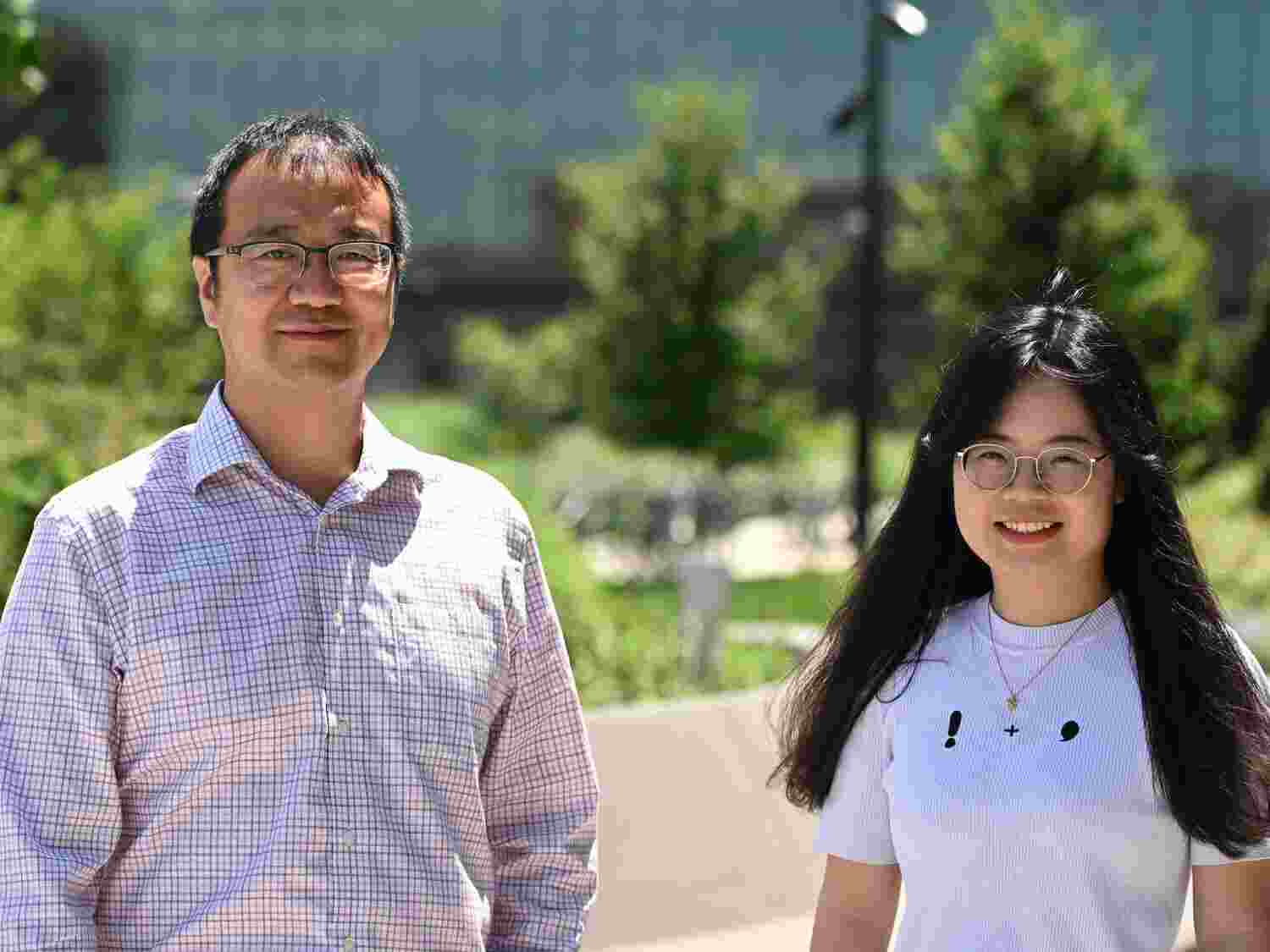
Erik Kristiansson, a professor at the Department of Mathematical Sciences at Chalmers University of Technology and the University of Gothenburg, emphasizes the critical importance of deciphering the emergence of bacterial resistance to safeguard public health and enhance the healthcare system's ability to combat infections. The World Health Organization cites antibiotic resistance as one of the most significant threats to public health, complicating the management of diseases like pneumonia and sepsis.

Commenting on the research, David Lund, a doctoral student at Chalmers and the University of Gothenburg, highlights the extraordinary potential of AI and machine learning in addressing the complexities of bacterial infections. Lund states, "AI excels in navigating complex environments with vast datasets. Our study’s standout feature is the large volume of data used to train the model, showcasing AI’s ability to delineate the intricate biological mechanisms underlying bacterial resistance."

Through the AI model developed in this study, researchers can identify the environments where resistance genes are exchanged between bacteria, shedding light on the factors that increase the likelihood of gene swapping. Notably, bacteria found in humans and water treatment facilities are more likely to develop resistance through gene transfer, particularly when exposed to antibiotics.

The study highlights the role of genetic similarity among bacteria in facilitating gene transfer and lowering the metabolic cost associated with incorporating new genes. Kristiansson adds, "Our ongoing research aims to unravel the precise mechanisms governing this process, enhancing our understanding of how bacteria acquire resistance mutations."

The research team validated the model's predictive capabilities by accurately forecasting the transfer of resistance genes in four out of five instances where this occurred. This achievement underscores the potential of AI models to revolutionize molecular diagnostics, wastewater monitoring, and the identification of novel multi-resistant bacterial strains.

Looking ahead, the researchers hope to use AI models to swiftly detect the risks of resistance gene transfer to pathogenic bacteria and translate these insights into practical interventions. Kristiansson expresses optimism about future applications of AI and machine learning, envisioning a data-driven approach to unravel complex scientific questions and address emerging challenges in healthcare.

As we explore the realms of AI-driven insights and big data analytics, the possibilities for combating antibiotic resistance continue to expand. The intersection of cutting-edge technology and biological research invites us to explore new frontiers in disease understanding and treatment. How might the fusion of AI and extensive data repositories guide us toward a future where bacterial infections are no longer as daunting a challenge as they currently seem?

Members of the team responsible from the work. Left to right, Brian Medel, Marta López, Jana Selent, Alejandro Peralta, David Aranda, Miguel Diéguez, Adrián García

Hospital del Mar explores novel pathways in drug development

A recent press release from the Hospital del Mar Research Institute in Barcelona boldly claims that it has discovered previously unknown access points in cell membrane proteins. These points could enable modifications of cell function through laboratory-developed drugs. This breakthrough, facilitated by highly detailed supercomputer simulations, offers new possibilities for creating targeted drugs to treat various diseases. However, should we fully accept these findings, or do they require a more cautious examination?

The study, involving research centers from thirteen countries, highlights the potential of exploring hidden gateways within cell membrane proteins to alter cell behavior. Led by the Hospital del Mar Research Institute, the research used supercomputer simulations to observe how membrane lipids interact with G protein-coupled receptors (GPCRs) at an atomic level in real-time. This innovative approach promises new opportunities for modulating cellular functions previously invisible to researchers. 

Despite the promising narrative surrounding these discoveries, there is reason for skepticism concerning the reliance on supercomputer simulations. While these simulations are valuable for investigating complex molecular interactions, they have limitations. How accurately can we replicate the complexities of biological systems in silico, and to what extent can we confidently apply these findings to real-world scenarios?

The claim that these newly identified pathways could transform the development of treatments requires careful evaluation. The study emphasizes the significance of GPCRs, noting that a substantial percentage of FDA-approved drugs target these receptors. However, the suggestion that having detailed knowledge of drug-binding sites within cells could hasten the development of targeted therapies merits a closer look at the practical implications of these claims.

Although the study covers 190 experiments encompassing 60% of known GPCRs, much work remains. Continued research is focused on unraveling how these proteins regulate cell functions and leveraging newly identified access points for innovative therapeutic interventions. While the study’s lead author emphasizes the potential for more precise medications with fewer side effects, the transition from simulations to tangible clinical outcomes remains contentious.

In conclusion, while advancements in supercomputer simulations provide insights into the complex world of cellular dynamics and drug development, skepticism is an essential part of scientific inquiry. As we explore the intricacies of molecular interactions and drug pathways, we must approach these findings critically, recognizing the limitations and uncertainties accompanying significant scientific advancements.

UVA unveils the power of AI in accelerating new treatment discoveries

In medical advancements, the integration of artificial intelligence (AI) has made significant progress. A recent development by scientists at the School of Medicine at the University of Virginia (UVA) has led to the creation of an innovative computational tool called LogiRx, which has the potential to revolutionize the speed at which new disease treatments are discovered. Unlike traditional AI approaches, LogiRx not only identifies patient populations that may benefit from certain treatments but also explores the complex mechanisms of drugs within cells.

The researchers behind LogiRx have demonstrated its potential by identifying a promising candidate for treating heart failure, a leading cause of mortality in the United States and around the world. By utilizing AI, LogiRx can predict how drugs affect biological processes in the body, helping scientists understand the secondary effects of drugs beyond their primary purposes.

One surprising finding revealed that the antidepressant escitalopram, commonly known as Lexapro, may help prevent harmful changes in the heart that lead to heart failure, a condition responsible for nearly half of all cardiovascular deaths in the U.S. This discovery highlights both the potential for repurposing existing drugs and the importance of understanding how these medications work within the complex physiology of the heart.

"Heart failure claims the lives of over 400,000 Americans annually," emphasized Jeffrey J. Saucerman, PhD, from UVA, underscoring the need for innovative solutions to this urgent health issue. Saucerman and his team, including PhD student Taylor Eggertsen, set out to determine whether LogiRx could identify drugs capable of preventing cardiac hypertrophy, a critical factor in heart failure.

Their study assessed 62 drugs previously considered promising candidates for this purpose, with LogiRx successfully predicting "off-target" effects for seven of them, revealing their potential to combat cellular hypertrophy. The AI predictions were validated through laboratory experiments and patient outcomes, showing a significant reduction in cardiac hypertrophy among those treated with escitalopram.

The research findings highlight the invaluable role of LogiRx in transforming the landscape of drug discovery. By uncovering unexpected uses for established medications, LogiRx not only opens new avenues for treatment but also helps avoid undesirable side effects.

As we embrace the innovative fusion of AI with medical sciences, the prospects for accelerating the development of new treatments for various critical medical conditions become increasingly promising. With further research and clinical trials on the horizon, the potential of LogiRx to usher in a new era of medical breakthroughs encourages us to consider which other ailments could be addressed through AI-driven insights.

The journey toward discovering new treatment modalities with AI holds significant promise, igniting curiosity and paving the way for a future where the integration of technology and healthcare reshapes medicine as we know it.

The unusual phenomenon of protein lassoing: Myth or fact?

Proteins, the building blocks of life, are essential molecules that must fold into intricate three-dimensional structures to carry out their biological functions. However, what happens when this folding process goes awry? A recent study led by chemists at Penn State has proposed a potential explanation for why some proteins refold in unexpected patterns. But is this discovery genuinely groundbreaking, or are we being lassoed into believing a scientific mystery that may not hold up to scrutiny?

The research, which focused on the protein phosphoglycerate kinase (PGK), suggests that misfolding, known as non-covalent lasso entanglement, could be responsible for the unusual refolding behavior observed in certain proteins. According to the team led by Professor Ed O'Brien, this misfolding mechanism creates a barrier to the typical folding process, requiring high energy or extensive unfolding to correct the protein's structure. This, in turn, leads to the unexpected refolding patterns documented since the 1990s.

But how reliable are these findings? The research, published in the journal Science Advances, used a combination of supercomputer simulations and experimental data to support its claims. However, one must question the validity and reproducibility of these results. Can we genuinely trust simulations to model complex biological processes accurately, or are they oversimplifying the intricate dynamics of protein folding?

Moreover, the notion of proteins accidentally lassoing themselves raises skepticism. Is it plausible that molecules as fundamental as proteins could entangle themselves in such a manner, leading to significant deviations from traditional folding kinetics? While the researchers provide structural evidence from their simulations and experiments, are these misfolded states the cause of the observed stretched-exponential refolding kinetics, or could other factors be at play?

To add another layer of complexity, the study involved a multidisciplinary team, including statistics and data analysis experts. While collaboration between different fields can bring fresh insights, it also raises questions about potential biases or preconceived notions that may have influenced the interpretation of the results.

As we delve deeper into the world of protein folding, it is crucial to approach these findings with a critical eye. While the discovery of protein lassoing may offer a new perspective on misfolding mechanisms, it is essential to remain cautious of sensationalized claims that may not stand the test of meticulous scientific scrutiny.

In conclusion, the concept of proteins accidentally lassoing themselves to explain unusual refolding behavior is a fascinating yet contentious topic that demands further investigation and validation. As the scientific community continues to unravel the mysteries of protein structure and function, let us remember to question, challenge, and explore diverse perspectives to understand the complexities of the biological world truly.

AI's potential for wildfire detection: A critical examination

The recent claim that artificial intelligence (AI) has "great potential" for detecting wildfires, as suggested by a new study focused on the Amazon Rainforest, deserves closer scrutiny. The study, published in the International Journal of Remote Sensing and conducted by researchers from the Universidade Federal do Amazonas, highlights using artificial neural networks and satellite imaging technology to identify areas affected by wildfires. While the study boasts a 93% success rate in training its model, questions arise about the practical implications and limitations of relying on AI for wildfire detection.

According to the research team, the Amazon Rainforest experienced a staggering 98,639 wildfires in 2023 alone, with over half originating in this ecosystem. The proposal to integrate AI technology, specifically a Convolutional Neural Network (CNN), into existing monitoring systems aims to enhance early warning systems and improve response strategies. The researchers argue that this approach could significantly improve wildfire detection and management in the region and beyond.

However, skepticism arises regarding this AI-driven solution's scalability and real-world implementation. The study's use of a relatively small dataset of 200 images to train the CNN raises concerns about the model's generalizability to diverse environmental conditions and wildfire scenarios. While achieving 93% accuracy during the training phase is commendable, the model's ability to effectively identify wildfires in practical, real-time conditions remains uncertain.

Furthermore, the authors suggest that expanding the dataset for training the CNN will enhance its robustness. While this recommendation is logical, the practical challenges of collecting and labeling a significantly larger dataset to reflect the complexity and variability of wildfires in different regions cannot be overlooked. The study's indication of potential applications for the CNN beyond wildfire detection, such as monitoring deforestation, raises questions about the technology's adaptability and reliability in addressing multifaceted environmental challenges.

The study emphasizes combining the temporal coverage of existing monitoring systems with the AI model's spatial precision. However, concerns persist regarding the reliance on AI as a standalone solution. Issues such as false positives, algorithmic biases, and the need for continuous validation and refinement based on evolving data must be addressed.

As with any emerging technology, it is critical to consider diverse perspectives to assess its viability and ethical implications. While AI shows promise in wildfire detection, carefully evaluating its operational feasibility, scalability, and long-term sustainability is essential for effective and responsible implementation.

In conclusion, although the study presents intriguing possibilities for leveraging AI in wildfire detection, a skeptical lens underscores the necessity for rigorous testing, validation, and interdisciplinary collaboration to navigate the complexities of deploying AI technology in environmental conservation and disaster management. Continued research and dialogue among experts from various fields will be crucial in determining AI's true potential and limitations in addressing the urgent challenges of wildfire detection and ecological preservation.