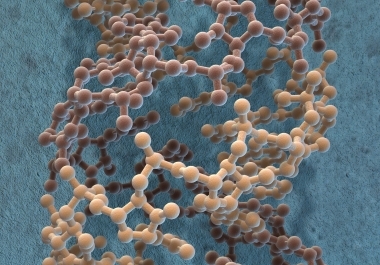
Advancements in technology have opened up exciting possibilities in understanding the intricate workings of the human body. One such breakthrough is the use of computational genomics, paired with next-generation CRISPR technology, to create an unprecedented molecular map of the human genome. This groundbreaking research, led by scientists at Gladstone Institutes, has the potential to unlock the secrets of human biology and pave the way for new treatments and cures for diseases.
CRISPR is a revolutionary tool that allows scientists to precisely edit genes. It essentially acts as a pair of "molecular scissors" that can target specific areas of the genome and make precise changes, such as removing, adding, or modifying DNA sequences. Unlike previous genetic engineering methods, which were laborious and time-consuming, CRISPR can edit genes in a matter of weeks. This makes it a game-changer for researchers, significantly speeding up the pace of genetic manipulation and allowing for more rapid discoveries.
CRISPR is not limited to one type of organism or one specific area of study. It can be used to edit the genomes of bacteria, plants, animals, and even humans, enabling scientists to study a wide range of genetic phenomena and develop targeted therapies for various diseases. Its potential applications are vast, ranging from agriculture and environmental conservation to human health and disease treatment.
Scientists at Gladstone Institutes are working on building the most comprehensive molecular map of the human genome to date, using next-generation CRISPR technology in combination with computational genomics. They are conducting groundbreaking studies, including analyzing the molecular structures that control human T cells, which could help overcome limitations in immunotherapies and identify new drug targets for various conditions, including autoimmune diseases and cancer. The study analyzed over 100,000 sites across nearly 400 genes in functioning human T cells, pinpointing specific nucleotides that influence how immune cells respond to stimuli.
Understanding the functions and interactions of the billions of base pairs in the human genome is key to unraveling the secrets of human biology and developing targeted therapies for diseases. With the advent of next-generation CRISPR technology, scientists now have the tools to systematically edit and analyze the genome, piece by piece, and create a detailed molecular map. This molecular map will provide researchers with invaluable insights into how genes are regulated, how they interact with each other, and how they contribute to disease. By deciphering the complexities of the human genome, we are laying the foundation for a new era of personalized medicine and precision therapies.
Scientists at Gladstone are using computational genomics to analyze the vast amount of data generated from molecular mapping. Through advanced algorithms and machine learning, they can extract meaningful patterns, identify essential genetic signatures, and revolutionize our understanding of the human genome. This collaborative effort brings together scientists, computational biologists, and genetic engineers to build a comprehensive molecular map. The potential rewards of this undertaking are immense, and with this map in hand, researchers will have a wealth of knowledge to delve deeper into the intricacies of human biology and ultimately improve the health and well-being of individuals worldwide.
With the aid of computational genomics and next-gen CRISPR technology, scientists are gaining new insights into human diseases. By mapping the human genome and analyzing gene interactions, researchers can uncover the underlying causes and mechanisms of various diseases, bringing us closer to finding effective treatments and cures. This cutting-edge research has already yielded significant breakthroughs in understanding genetic diseases such as cancer, Alzheimer's, and cardiovascular disorders. By studying the molecular map of the human genome, scientists can identify key genetic mutations or variations that contribute to these diseases, providing invaluable targets for developing personalized treatments.
Computational genomics and CRISPR technology are also shedding light on the complex interplay between genetics and infectious diseases. By studying the genetic variations in pathogens and their interactions with human genes, researchers are uncovering new strategies to combat infectious diseases and develop more effective vaccines. The insights gained from these studies have the potential to transform the field of medicine. By understanding the underlying genetic factors that contribute to disease, doctors can tailor treatments to individual patients, maximize effectiveness, and minimize side effects. Furthermore, the ability to identify genetic predispositions to certain diseases can lead to preventive measures and early interventions, potentially saving lives.
As computational genomics and CRISPR technology continue to advance, we can expect even greater insights into human diseases. This exciting frontier of research is opening up new possibilities for precision medicine, personalized therapies, and ultimately, a healthier future for all.
Accelerating the Pace of Therapeutic Development:
The combination of computational genomics and next-generation CRISPR technology is revolutionizing our understanding of the human genome and significantly speeding up the pace of therapeutic development. By discovering the secrets of human biology, researchers are uncovering new opportunities for targeted treatments and cures for a wide range of diseases.
One of the major benefits of computational genomics and CRISPR is their ability to identify potential therapeutic targets with unprecedented precision. By analyzing the molecular map of the human genome, scientists can pinpoint specific genes or genetic variations that play a crucial role in disease development. This knowledge allows researchers to develop targeted therapies that directly address the underlying causes of the disease, resulting in more effective treatments and better patient outcomes.
Additionally, the speed and efficiency of CRISPR technology are enabling researchers to rapidly test and validate potential therapeutic targets. Traditional drug development processes can be slow and cumbersome, often taking years to bring a treatment to market. However, with the power of computational genomics and CRISPR, scientists can significantly reduce the time it takes to go from identifying a target to developing a potential treatment. This accelerated pace of therapeutic development holds great promise for patients who are in desperate need of new treatments and cures.
In the future, we can expect to see even greater advancements in targeted therapies as computational genomics and CRISPR technology continue to advance. This progress brings us one step closer to personalized medicine, where treatments are tailored to each individual's unique genetic makeup. The possibilities are endless, and the potential for improving human health and well-being is immense.
A Glimpse into the Future of Biomedical Research:
As we look to the future of biomedical research, the possibilities are truly awe-inspiring. The combination of computational genomics and next-generation CRISPR technology has already made remarkable progress in our understanding of the human genome and its implications for human health. But what lies ahead?
In the coming years, we can expect to see even greater breakthroughs in the field of genetics. As computational genomics continues to advance, researchers will be able to analyze larger and more complex datasets, leading to more precise insights into the functions of genes and their interactions. This deeper understanding will pave the way for the development of targeted therapies that can address the underlying causes of diseases with even greater accuracy.
Furthermore, the ongoing refinement of CRISPR technology will enable scientists to edit genes with even more precision and efficiency. This means that the potential for developing personalized medicine and tailored therapies is within reach. The ability to treat individuals based on their unique genetic makeup holds tremendous promise for improving patient outcomes and transforming the field of medicine.
Additionally, the integration of computational genomics and CRISPR technology is likely to lead to the discovery of entirely new therapeutic targets and treatment strategies. By analyzing the intricate molecular map of the human genome, scientists will be able to uncover previously unknown genetic interactions and pathways, opening up new avenues for therapeutic intervention.
The future of biomedical research is incredibly exciting. With computational genomics and CRISPR technology, we are poised to unlock the full potential of the human genome and revolutionize the way we approach disease treatment and prevention. As we continue to unravel the mysteries of human biology, the possibilities are limitless, and the potential for improving human health and well-being is immense. Get ready for a future where precision medicine and personalized therapies become the norm, ushering in a new era of healthcare.