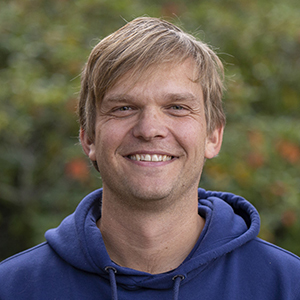
UCL Prof Fisher develops cancer supercomputer models to identify new drug combos to treat Covid-19

By adapting supercomputer models originally developed to understand the biology of cancer cells, UCL researchers have identified new drug combinations with the potential to treat severe cases of Covid-19 infection at different stages of the disease.

The findings could help lower the number of Covid-19 related deaths and reduce the strain on healthcare systems.

The study tested the potential impact of interfering with different aspects of SARS-CoV-2 infection and the body’s responses to the virus. Results have identified existing therapeutics that might be suitable for treating Covid-19 patients.

Although vaccines and treatments for Covid-19 now exist, additional effective and affordable treatments are still urgently required. Cases of SARS-CoV-2 infection are still highly likely to occur, particularly when new variants arise.

Tackling virus replication and immune response

Therapeutic development for Covid-19 is complicated by the need to consider different stages of the disease. Early symptoms are typically triggered by viral replication, while later and more severe disease is caused by the over-reaction of the body’s immune defenses.

Different stages of the disease are therefore likely to needed different treatments – and getting the timing wrong could have grave consequences: boosting immune responses to prevent viral replication could be highly damaging if they are already being ramped up.

The interplay between the virus, the cell it is infecting, and host immune responses involve a highly complex web of interactions. Interfering with these interactions using therapeutics could therefore have an effect throughout this web, which might help to clear the virus but could also disrupt important cellular processes and cause harmful side effects.

Model solutions

Similar issues have been faced by cancer researchers. To address this challenge, UCL researcher Professor Jasmin Fisher has developed supercomputer models of cancer cell biology, which simulate the biochemical and metabolic pathways of cells and how they are subverted by cancer-causing mutations that drive uncontrolled growth of cells.

Using these models, the Fisher Lab can explore what might happen if particular pathways or cellular processes are inhibited, individually or in combination, so that the best targets for intervention can be identified and possibly harmful side effects anticipated.

“We realized we could model SARS-CoV-2 infection using a computational framework originally developed in my lab to predict personalized treatment combinations for cancer patients and use it to predict effective repurposed drug combinations for treating Covid-19,” says Professor Fisher (UCL Cancer Institute), who was the lead writer of the study.

“We collated information available at the time on SARS-CoV-2 infection of airway cells and the immune response to infection, to create a dynamic model of viral infection and Covid-19 disease processes. Our study focused on two key stages – viral replication following initial infection (before severe symptoms emerge) and late-stage immune-driven disease, which is typically more severe,” says Professor Fisher.

The research team identified a range of therapeutic drugs, already licensed or in late development, that target processes thought to be important at these two stages. They then used their computer model to explore what might happen in cells when these processes were inhibited, mimicking the action of therapeutics. The model provided insights into impacts on virus replication and host responses, and the likely net effect to both treatments of disease and safety.

Importantly, Professor Fisher and colleagues were able to validate their model by showing that the predicted effects of therapeutics already being used to treat Covid-19 at different stages of disease – such as antivirals and anti-inflammatory drugs – matched those seen in clinical studies.

In silico screening

Using this approach, the team examined 9,870 pairs of compounds acting on 140 potential cellular targets. They were able to identify new combinations of therapeutics that would be predicted to be beneficial at either early or late stages of the disease, as well as the ‘windows’ when they might be safely deployed. For example, the combination of two drugs, Camostat and Apilimod, was predicted to have a particularly big impact on virus replication. This strong antiviral effect was confirmed using live SARS-CoV-2 cell culture assays by Dr. Ann-Kathrin Reuschl and Professor Clare Jolly in the Division of Infection and Immunity at UCL.

The study also identified cellular responses, such as the levels of certain cytokines, that correlated with mild, early-severe, and late-severe disease. These could have an important role as biomarkers to guide the use of therapeutics at the most appropriate time. “We not only need to know what drugs might work against Covid-19 but also when they might work. Our model is both a highly efficient way of prioritizing drugs for evaluation as treatments for Covid-19 and could also help ensure that Covid-19 patients get the right drug at the right time,” says Professor Fisher.
Vanderbilt astronomers discover exceedingly rare star

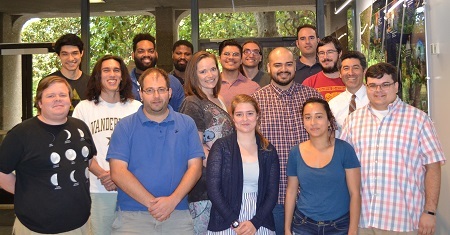
A team of astronomers has made the discovery of a lifetime that will help answer burning questions on the evolution of stars. The group is led by Evolutionary Studies Initiative member and Stevenson Professor of Physics and Astronomy, Keivan Stassun. The Stassun lab – 2018.

Stassun’s team generated a new model that greatly improved the way stars are measured in 2017. 

“Being able to combine all of the different types of measurements into one coherent analysis was certainly key to being able to decipher the various unusual characteristics of this star system,” Stassun said.

The model helps predict the types of planets orbiting distant stars – called exoplanets. It has been used to identify the characteristics of more than 100 stars found by the TESS space telescope and 1,000s of others. But nothing prepared the team for what this new binary star system – which is two stars orbiting each other – could tell them about our universe.

According to Stassun, “This type of star is so extremely unusual that, frankly, we would not have thought to go looking for it – nobody has seen one before!”

Stassun explained how several key ingredients make this binary star system incredibly rare. Binary star systems are not uncommon among the cosmos, but one uncommon trait of this one is its orientation. When viewed from Earth, the stars eclipse each other. This allows researchers to calculate important qualities of the two stars more easily, like their mass and luminosity.

Also, stars can change size and luminosity in a process known as pulsating, and studies of these pulsations allow astronomers to probe the inner workings of stars, akin to Earth scientists using earthquake vibrations to study the Earth’s internal structure. Two rare types of stellar pulsating exist, each of which provides a different, complementary view of stellar interiors. One of the stars in this binary star system that Stassun’s team found exhibits a hybrid of both.

“Stars exhibiting either of those pulsating behaviors are quite rare; a star exhibiting hybrid pulsating behavior is even more so,” Stassun said.

Next, this unique star has a strong magnetic field, which is decidedly uncommon for a hybrid pulsating star, and which could be a key missing ingredient in current theories for understanding the earliest stages of stellar evolution.

Finally, according to Stassun, “this is the first time that one of these rare magnetic hybrid pulsating stars has been found that is part of a star cluster and that is moreover a part of an eclipsing binary system. It seems quite unlikely that TESS will discover another star that has all of these attributes together.”

Graduate student Dax Feliz also played a major role in this project. He joined the lab as a fellow through the Fisk-Vanderbilt Masters-to-PhD Bridge Program.

According to Feliz, “the discovery of this rare eclipsing binary star system provides a fantastic testbed for understanding how stellar binaries evolve over time. As the TESS mission continues observing large patches of sky, star systems like HD 149834 which are located in star clusters can help us further our understanding of stellar evolution.”

The team received plenty of help from the Frist Center for Autism and Innovation. The center, founded by Stassun in 2018, works to understand and promote neurodiverse talents.

When asked about the center’s contribution, Stassun said, “we have students and interns who have expertise with data visualization, and that process is becoming increasingly important for detecting rare patterns in data, such as extreme – and extremely interesting – ‘outliers’ such as the system we discovered in this study.”

Promising molecule for treatment of COVID-19

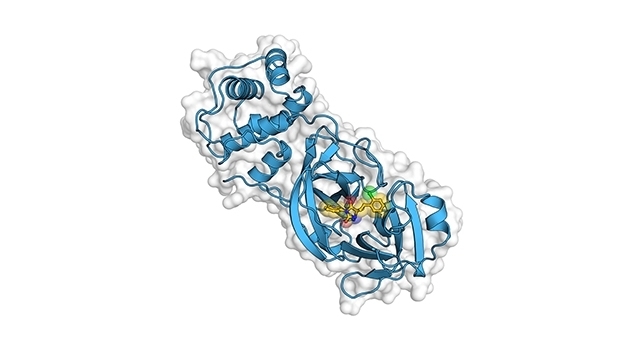
Uppsala researchers have succeeded in designing a molecule that inhibits the replication of coronaviruses and that has great potential for development into a drug suitable for treating COVID-19. The molecule is effective against both the new variant and previously identified coronaviruses. The article has been published in the Journal of the American Chemical Society. The image shows a model of the coronavirus enzyme.  Photograph: Andreas Luttens

The new coronavirus has caused more than five million deaths. Many lives could have been saved with antiviral drugs, but no treatment of this type has been available to the healthcare system. During the pandemic, researchers around the world have tried to find a pharmaceutical, but the development of new medications often takes a long time.

During the first months of the pandemic, researchers were able to determine the structure of the coronavirus and how it functions at the molecular level. One of the viral enzymes was identified as a promising target for a drug, which is a strategy that has been successful for other viral diseases, such as AIDS. The idea is to design a molecule with the ability to recognize and bind to the enzyme. This would block its activity and thereby prevent the virus from producing new virus particles, stopping the spread of the virus.

Used computer models

In 2020, researchers at Uppsala University, in collaboration with the Drug Discovery and Development platform at Scilifelab, began to screen for inhibitors of the enzyme. They used computer models to identify molecules that can inhibit the enzyme’s activity. This proved to be a fast way to discover starting points for the design of pharmaceuticals. Access to Swedish supercomputers has made it possible to evaluate several hundred million different molecules to find those that can bind to the enzyme. The molecules predicted by the models were then synthesized and tested in experiments. Jens Carlsson at the Department of Cell and Molecular Biology. Photo: Niklas Norberg Wirtén

“The most promising molecule shows the same ability to inhibit the replication of the new coronavirus as the active substance in Paxlovid, a combination drug recently approved for treating COVID-19. Our molecule works well on its own, and we have shown that the molecule is also effective against previously identified variants of the coronavirus”, says Jens Carlsson, associate professor, and the article’s lead author.